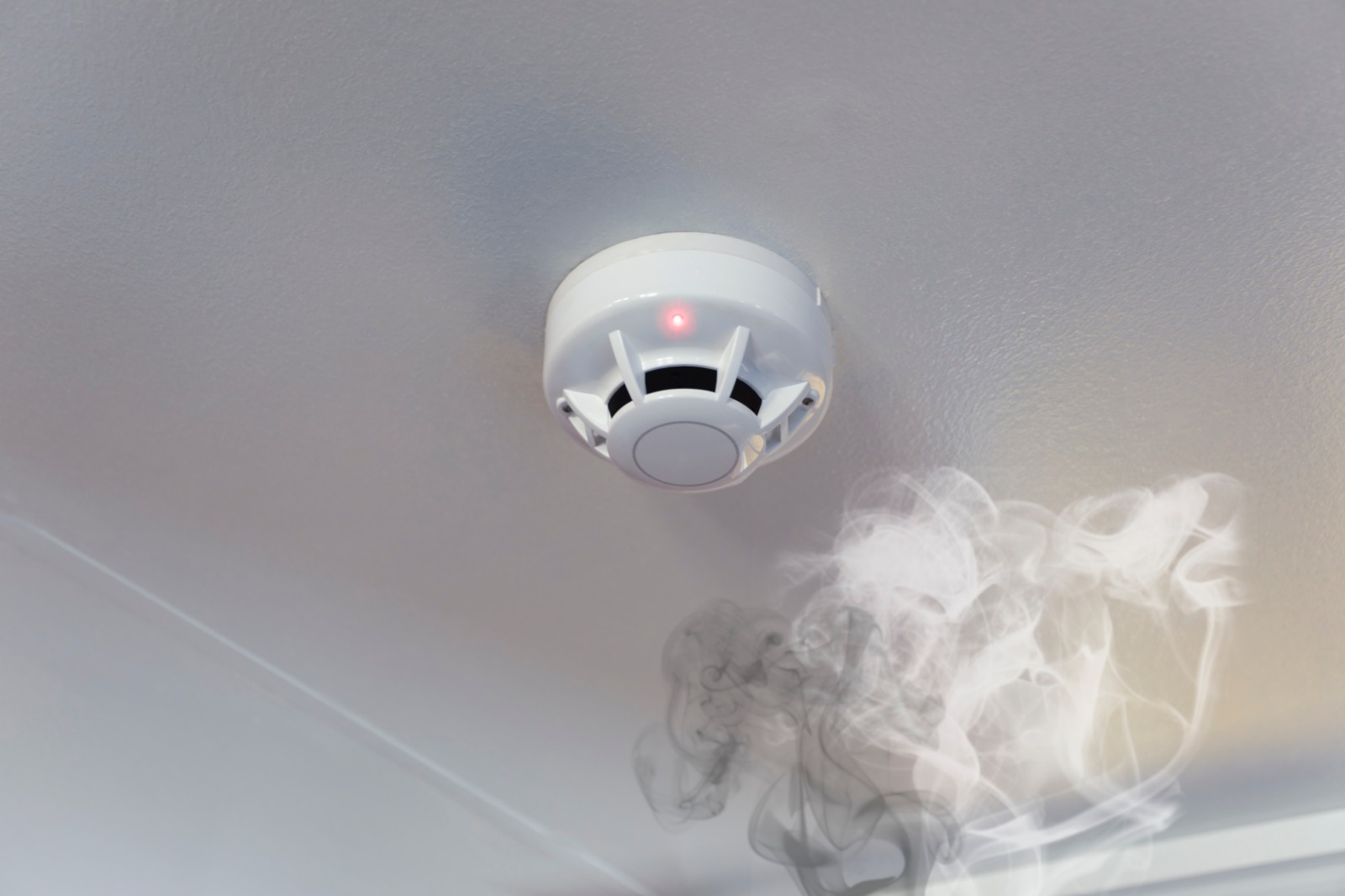
False alarms — remain one of the biggest operational disruptions for commercial properties, industrial units, and multi-tenanted premises throughout London, Essex, and the Home Counties.
During the autumn-to-winter transition, changing environmental conditions significantly increase false alarm triggers. With Fire and Rescue Services applying strict policies on unverified call-outs, proactive management under BS 5839-1 is essential.
Seasonal Triggers for False Alarms
-
- Condensation & Temperature Fluctuations: Cooler autumn/winter air meeting warm internal heating creates moisture vapor that optical smoke detectors can mistake for smoke particulates.
- Dust from Indoor Refurbishments: As external works slow down, indoor maintenance and fit-out projects increase, driving dust into detector chambers.
- Outdated Detection Technology: Legacy single-sensor detectors lack multi-criteria technology, making them prone to false trips from harmless steam or temperature spikes.
Operational Solutions Matrix
| Issue | Root Cause | Recommended BS 5839-1 Compliant Action |
|---|---|---|
| Moisture / Steam |
Seasonal HVAC & heating start-ups |
Replace vulnerable sensors with multi-criteria optical/heat detectors. |
| Dust Ingress | Refurbishment / Site works |
Utilise temporary detector covers and coordinate zone isolations with your engineer. |
| Aging Systems |
Degraded heads (>10 years old) |
Upgrade to modern BS EN54 compliant equipment sourced from trusted manufacturers. |
Regulatory Alignment & Best Practice
Guidance published via BSI Standards and the London Fire Brigade emphasises that the “Responsible Person” must actively monitor and minimise false alarm incidents. Unresolved false alarms waste fire brigade resources, risk financial penalties, and cause dangerous “alarm fatigue” among building occupants.
At IQ Fire Solutions, our engineers specialise in diagnosing complex false alarm causes, adjusting panel cause-and-effect matrix settings, and supplying unbiased recommendations to keep your site fully operational.